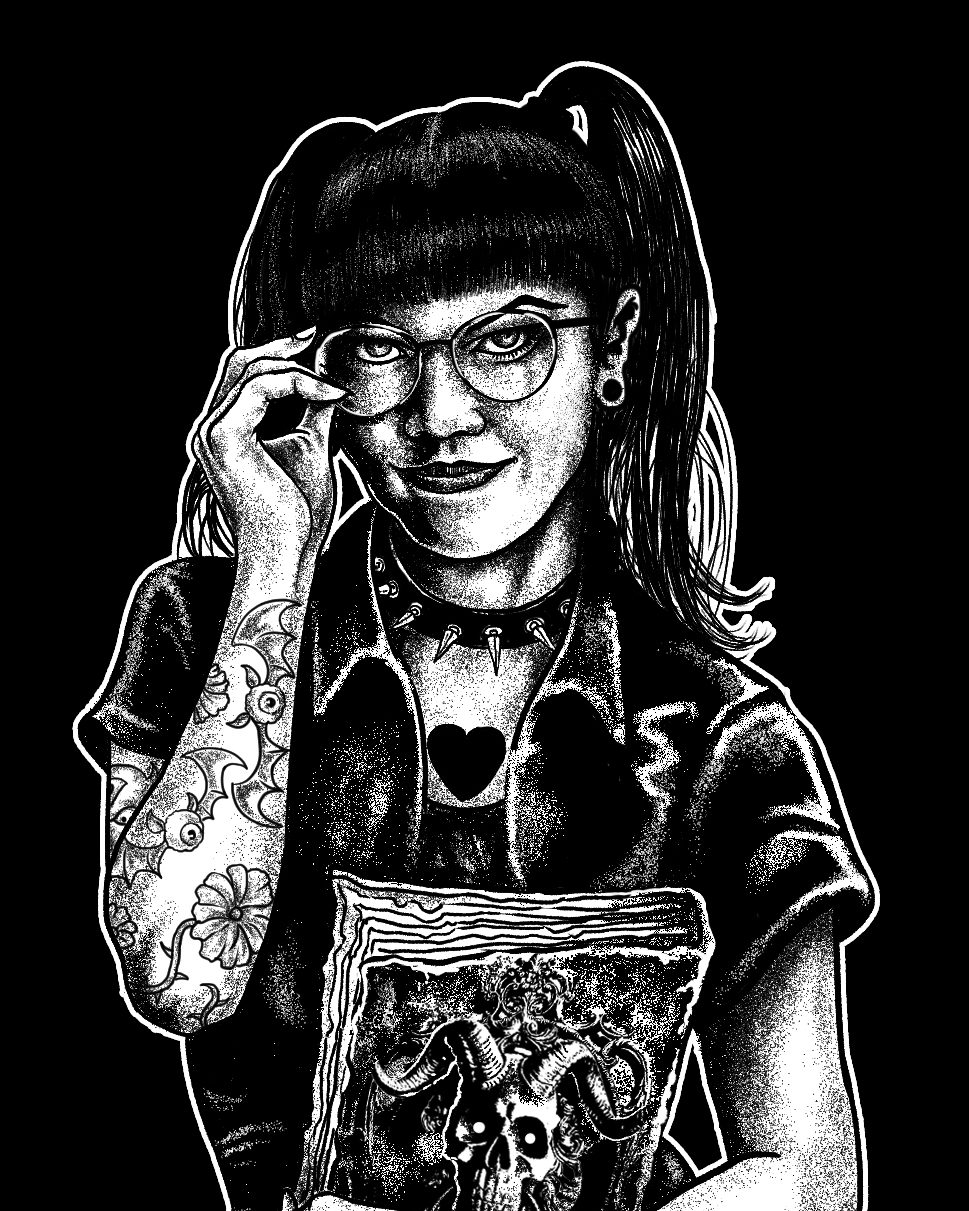

GREETINGS, BOOKWORMS! I’m Aisha Kandisha, Head Librarian at Kandisha Press. Join me in the dusty stacks of the library I will never leave again as I chat with some of my favorite Women in Horror. Today we feature author MM Schreier!
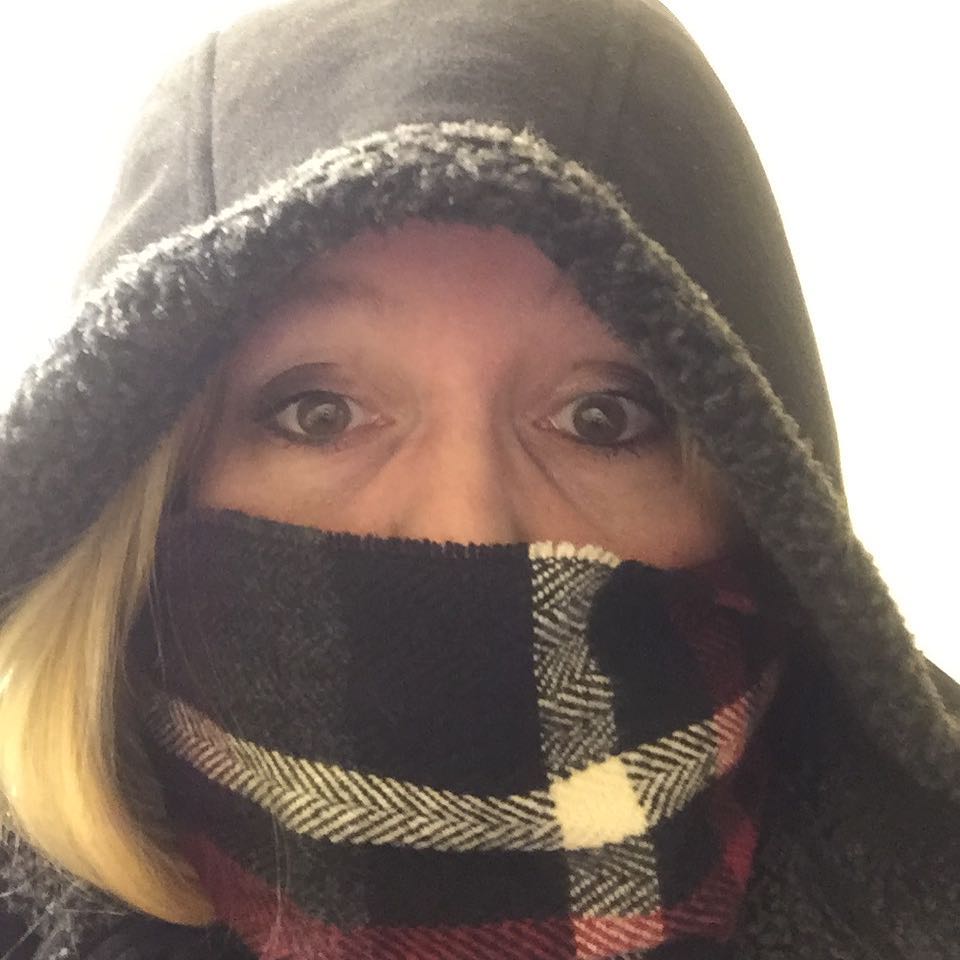
MM Schreier is a classically trained vocalist who took up writing as therapy for a mid-life crisis. Whether contemporary or speculative fiction, favorite stories are rich in sensory details and weird twists. A firm believer that people are not always exclusively right- or left-brained, in addition to creative pursuits Schreier manages a robotics company and tutors maths and science to at-risk youth.
Web: mmschreier.com
X: @NoD1v1ng
Instagram: mmschreier
What made you want to become an author? Did you have an “Aha!” moment when you knew you were born to write? Or perhaps a beloved book inspired you?
I always knew stories were important. I’ve been a voracious reader ever since I was able to sound out Maurice Sendak’s “Where the Wild Things Are” on my own and could obsessively read and reread it without my parents’ help. However, it wasn’t until I was an adult that I realized I could be the one telling the stories. I started writing on a whim, giving a new hobby a try at a time in my life where I was looking to reinvent myself. Little did I know that storytelling would soon become ingrained, as an integral part of my identity.
The book that drew me to writing horror was Shirley Jackson’s “The Haunting of Hill House.” Language can be so powerful, but all the horror I had previously been exposed to was on the pulp side. Entertaining, but lacking the gorgeous, grotesque, evocative language I longed to immerse myself in. Reading this beautifully written, yet totally creepy tale thrilled me, and I became enamoured with literary horror.

What do you believe are your strengths in writing? And when you feel you need to improve on a particular writing skill, how do you go about it?
Language is my love, and so one of my strengths is creating lush, visceral description. However, no one wants to overwrite and lose their readers in a sea of purple prose, so the challenge to use a five-word phrase that’s so impactful it feels like three paragraphs of sensory description is something I feel I’m capable of delivering.
I think also making weird and wild, monster and madman relatable is a skill I do well. Creating characters and scenarios that are horrific but have an undertone of some aspect of humanity that the reader can connect to is something most of my work contains.
Typically, if I’m looking to improve my skills, I use two simple, classic methods—reading and writing. If I want to improve my dialogue, I read authors who notably are skilled in it. Seeing it first hand, picking apart their techniques, and adding those things to my toolkit really helps me focus on improving that specific skill. At the end of the day though, the thing that has the most impact is practice. I write a lot of crap, analyse it, compare it to masterful examples, make adjustments and try again. I experiment with new ways of doing things and see what works. In this way, writing is a skill that can be improved by repetition.
What are your thoughts on the book industry today, or more importantly, about the book community? Do you feel it is getting harder or easier to make it as an independent author these days?
I think that there is a lot of amazing indy work out there and it makes publishing far more accessible than it used to be. Let’s face it, most of us aren’t going to get a book deal with one of the Big Five, sell a gagillion copies, and retire to the Bahamas. It does mean that there is a huge range of work out there, of varying quality, that readers have to wade through. And then there’s all the business and marketing hoopla an author needs to learn about—when all we just wanted to do was tell people stories.
What frightens me more, is when people tell me they don’t read. Are we headed for a dystopian future where people stop reading in favor of visual and virtual media? What will this do to our brains, critical thinking, worldview? Will storytellers stop writing when the pool of readers is so small that it isn’t worth it anymore? And what will happen to those stories that don’t get told? It makes me sad just thinking about it.
Tell us about your work. What story are you most proud of?
I don’t only write horror, but the bulk of my work is speculative shorts—horror, scifi, and fantasy. Where dark tales are concerned, I’ve always loved the idea of ghosts and monsters. If it goes bump in the night, I’m here for it. From wraiths and murderous shadows, to ravenous trees and giant spiders, I’ve explored them all. I love to take classic creatures and tell the story from their point of view or twist a well-worn trope into a new shape. For example, I wrote a tale from the POV of a wendigo struggling with his own cannibalistic tendencies (which was a Dark Sire Award finalist), and another about a vampire who didn’t suck blood, but ate memories, preying on patients in a nursing home as an explanation for dementia.
I think my favorite recent tale is “Nine Lives of Madness” which can be found in “Curios.” It was actually the winning story for TL;DR Press’s flash fiction contest. The story is about an insane eldritch goddess who is being summoned by humans. While it is in her nature to bring chaos and destruction to the world, what she really wants is to sleep the eons away. Who can’t empathize with a woman who just wants a good nap?
What are your upcoming works and plans for the future?
I’m very excited to have a horror collection coming out on March 29th, called “Monstrosity, Humanity.” It’s twenty-five stories that explore the humanity that can be found in monsters, the monstrosity of humans, and where they come together in that liminal space where the lines between them blur. I think it’s a fun little collection, with half of the tales previously published work, and half new material. It ranges from gothic, psychological, and literary horror to macabre humor so there’s something for everyone.
I’m currently working on a couple of novellas that will be released this fall, and the following winter, in addition to shorts forthcoming at various magazines.
 KANDISHA PRESS