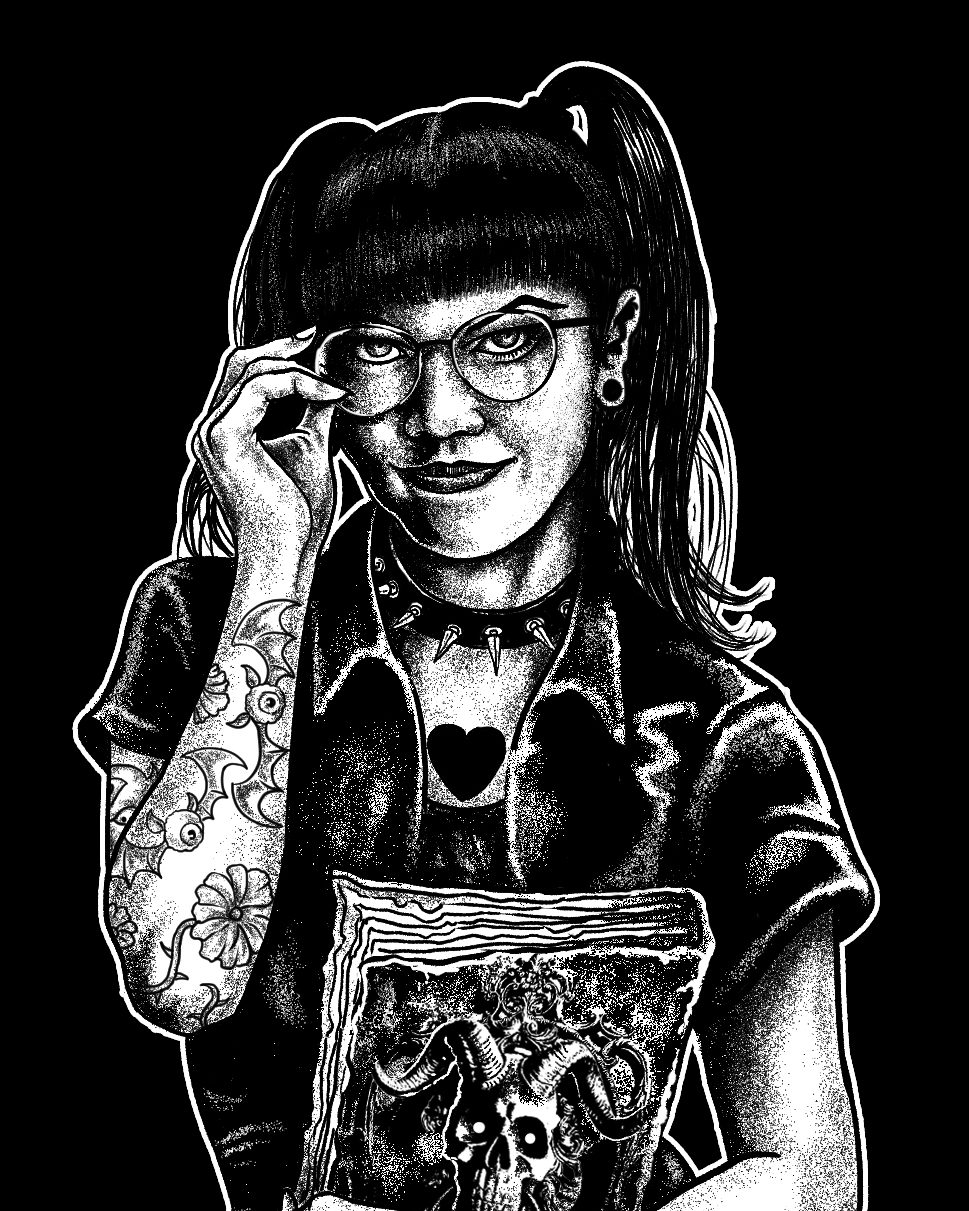

GREETINGS, BOOKWORMS! I’m Aisha Kandisha, Head Librarian at Kandisha Press. Join me in the dusty stacks of the library I will never leave again as I chat with some of my favorite Women in Horror. Today we feature author Daisy Ravenel!
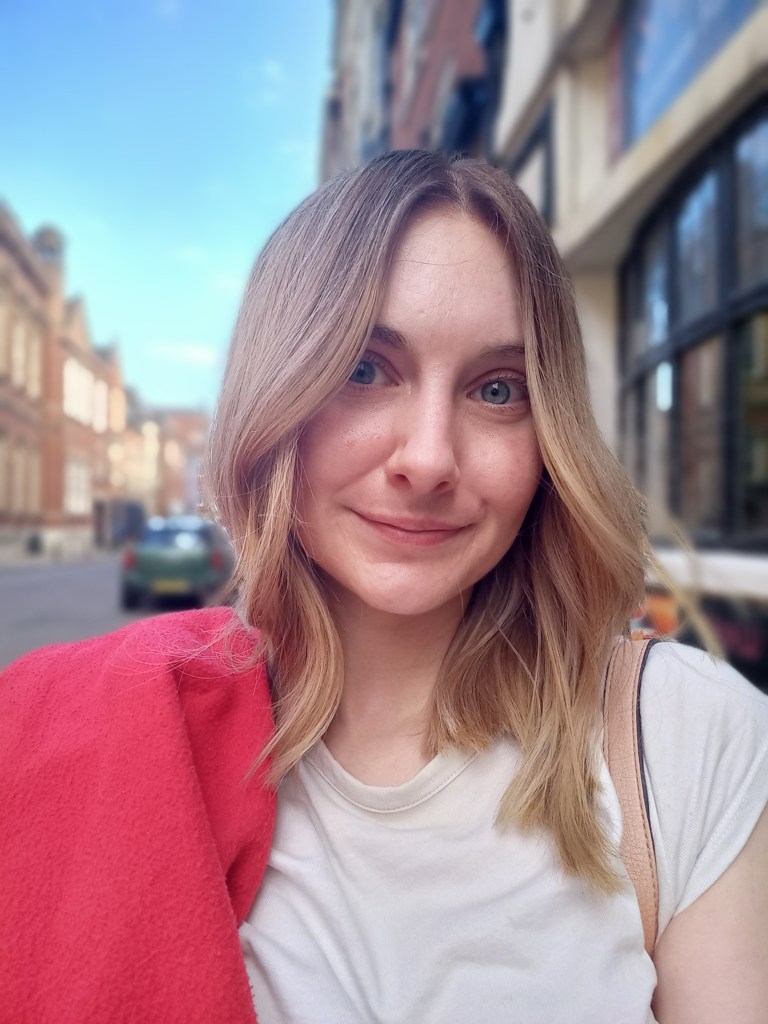
Daisy Ravenel (@daisy_ravenel) is a UK-based writer fascinated with stories about family, grief and invisible bonds. By day, she makes her living as a copywriter and part-time cat wrangler.
What do you believe are your strengths in writing? And when you feel you need to improve on a particular writing skill, how do you go about it?
I spend so much time talking about my biggest weakness (endings) that thinking about my strengths feels very unfamiliar! Ironically, I think it’s the polar opposite of my weakness: I usually like where or how I choose to start a story. When I personally read a story, its beginning few lines need to be very strong to convince me to stay with it – so I think that’s bled into my own writing and led me to focus a lot on compelling, interesting openings as a major priority.
When I need to improve something, it’s generally because I’ve read something amazing and been consumed with creative jealousy – “I wish I’d written that!” When that happens, I try to get my hands on everything I can by that writer, so I can see even more of what it is they’re doing that’s made me so envious. And during that process, I normally find myself thinking about why it is that I admire their work so much, whether it’s their clarity of description or their pacing or their talent for characterisation. I usually find myself taking away some lessons and observations I can apply to my own work.
What are your thoughts on the book industry today, or more importantly, about the book community?
I think the Internet has been a gift to both writers and readers. There are more ways than ever to get your work out there and to read a real diversity of stories and poems. As a result, there’s so much more variety in the stories and the writers that get noticed now, both in the mainstream and in more niche communities. And I think traditional publishing has noticed that – that people want to read something new, something that perhaps wouldn’t have been considered for publication 20 or even 10 years ago.
Do you feel it is getting harder or easier to make it as an independent author these days?
I think it’s definitely a struggle at times. I think every writer can identify with how time-consuming it is to push things out for potential publication when really you’d rather be writing. I’ve joked before that if I had the spare cash, I’d hire someone just to do that side of things for me.
Ultimately though, I do think that there are more opportunities for writers than ever. More competition too, perhaps – it’s a double-edged sword. But I would say if someone wants to write, there’s never been a better time to do it.
Tell us about your work. What story are you most proud of?
I think it’s a toss-up between the story I wrote back when I first decided I wanted to take this writing thing seriously and, funnily enough, the story I finished most recently.
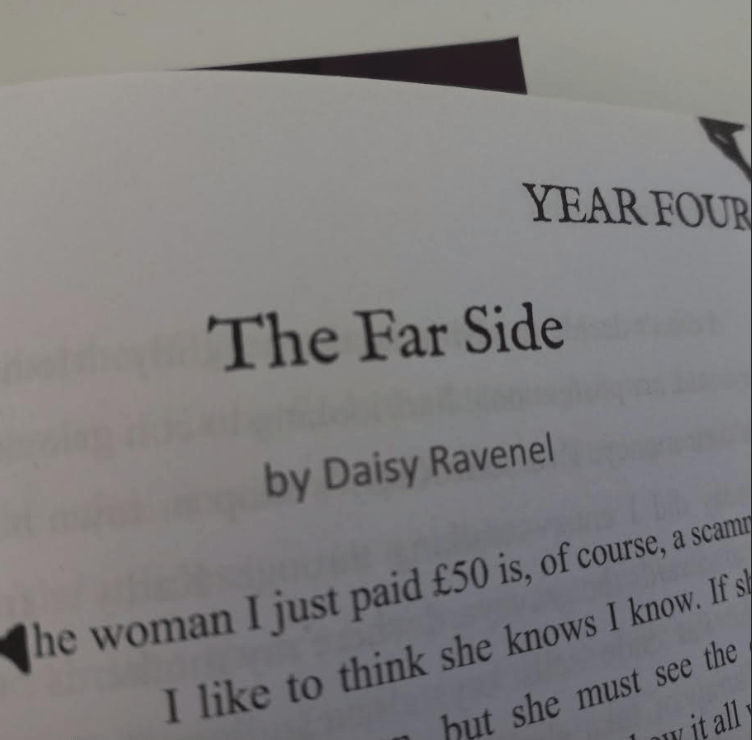
I’ve always dabbled in writing. My mother was both my biggest cheerleader and my worst critic and always wanted me to try publishing things but I didn’t want to deal with the potential for rejection. After my mother passed away, I sat down and wrote a short horror story called “The Far Side”, dealing with my feelings about my mother and how I loved her and hated her and loved her (and vice versa). Everything I write has a little slice of myself in it, but that story has a great big chunk of me in there.
More recently, I finished a story called “The Thing Itself”, based on a Hans Christian Andersen story I liked as a child. When I compare it to the stories I started with, I can really see how I’ve grown as a writer. Hopefully in five years I’ll be looking back at it and thinking once again that I’ve grown.
What are your upcoming works and plans for the future?
I always have a lot of ideas floating around in my head – I keep a big spreadsheet with everything slotted in there, so nothing gets forgotten. When I finish a story and want to move on to something new, I usually dip into that spreadsheet and see what catches my eye.
I primarily write horror, but with two of my most recent works I’ve dipped into (admittedly very horror-tinged) historical fiction, and it’s something I think I’ll be revisiting with future works. I love horror and I love history, so as far as I’m concerned it’s two great tastes that taste great together!

W

T
 KANDISHA PRESS
Leave a comment