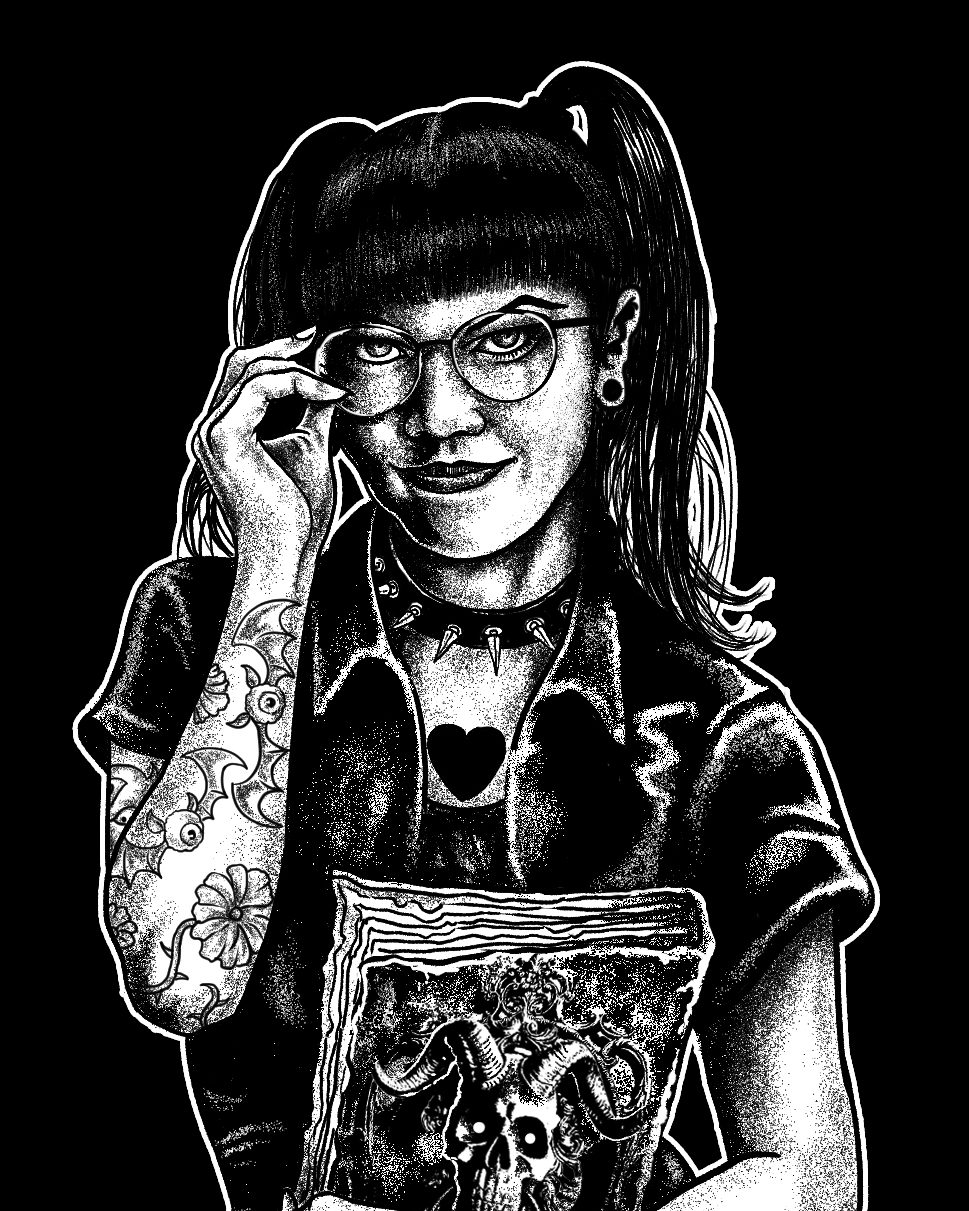

GREETINGS, BOOKWORMS! I’m Aisha Kandisha, Head Librarian at Kandisha Press. Join me in the dusty stacks of the library I will never leave again as I chat with some of my favorite Women in Horror. Today we feature author Lora Kempka!
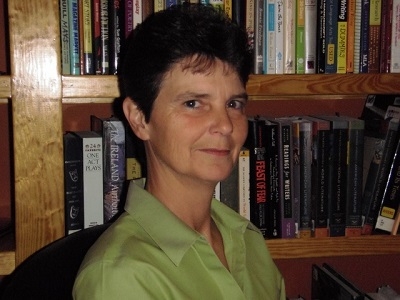
Lora Kempka was born and raised in rural North Carolina between the mountains and the coast. When she’s not writing, she can be found adding another pollinator garden in her yard or making compost. She lives with her very supportive husband and some cats that just took up. Her work has been published in Zimbell House Publishing November Falls Anthology.
What do you believe are your strengths in writing? And when you feel you need to improve on a particular writing skill, how do you go about it?
One area I do actually feel good about with my writing is dialogue. Don’t get me wrong, there’s always room for improvement. Separating characters by their words and speech patterns is the tricky part I’m still working to improve.
To improve on areas, I read other writers’ work: Tami Hoag, Cormac McCarthy and Joe Lansdale to name a few. But when I’m sitting at the keyboard typing away or staring at an awkward paragraph, thinking, no. Something’s not right. I’ll use the ‘read aloud’ option with Word and listen for the part that makes the passage awkward. We get that advice all the time, to read the story out loud, but I find it better to let something else read it aloud and I just listen to what’s tripping up the rhythm. It could be one or two words or the whole sentence structure that’s wrong.

What are your thoughts on the book industry today, or more importantly, about the book community?
In two words: it’s tough. Breaking into the industry is a nightmare. The issue I take with that is when I get rejected, most of the time there’s no feedback. Writers are left scratching their heads, wondering what killed it. And then we realize how subjective story selection is, which makes us scratch our heads even more. Ok, that reader/editor/agent didn’t like the story, but this other one might, so we check our work for flaws all over again, send the story back out and wait three to six months to hear back. It’s a vicious cycle.
With that said, I do believe the book industry is strong. I absolutely love the book community. It’s like finding a group of people you have something in common with. We go through some of the same rejects and occasional acceptances together. A kinship, if you will.
Do you feel it is getting harder or easier to make it as an independent author these days?
I believe some people are great at self-promoting with Tik-Tok and Instagram and other outlets that I’m not aware of. Others who aren’t great at blowing their own horn probably struggle.
Tell us about your work. What story are you most proud of?
My work focuses on the small, rural towns where horrific things happen but aren’t widely known. I have found over the past year or two that noir has an appeal to me. It’s gritty and real. Made up of people we see all the time. Maybe we know them; maybe we don’t. Maybe they’re kin to us. The meth head, the homeless person, the thief. The list goes on.
The story I’m most proud of is November Falls Festival published in an anthology November Falls in 2019. Pre-teen triplets are stolen by a group of fairies and held captive in a place called Exchange. It was my first short story ever accepted. Yeah, I was happy.
What are your upcoming works and plans for the future?
I have two works in progress right now. One is a short horror/noir story that focuses on a missing pole dancer. The second WIP is a thriller that takes place in North Carolina about a serial murderer, a detective and the detective’s seriously psycho brother.
 KANDISHA PRESS
Leave a comment