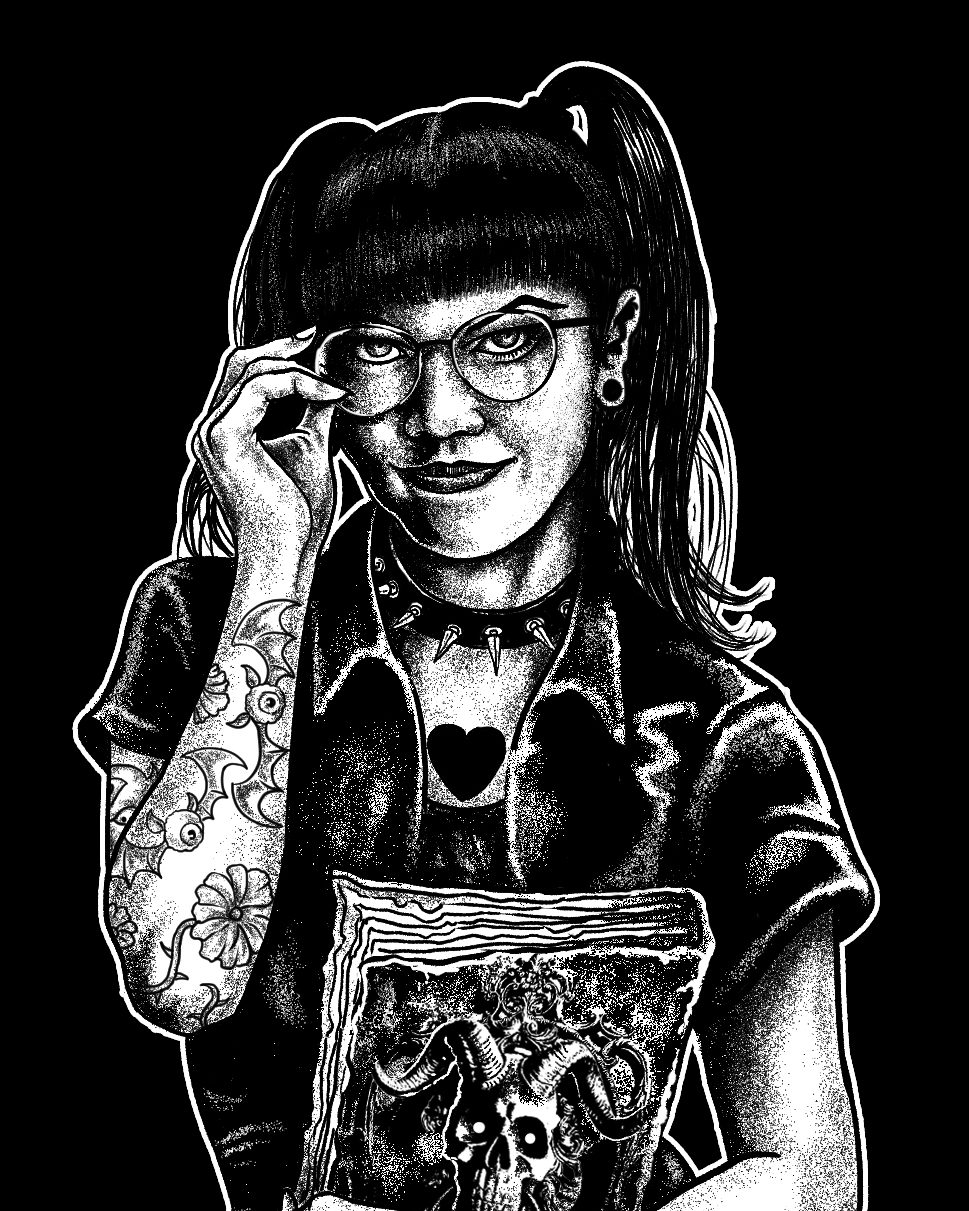

GREETINGS, BOOKWORMS! I’m Aisha Kandisha, Head Librarian at Kandisha Press. Join me in the dusty stacks of the library I will never leave again as I chat with some of my favorite Women in Horror. Today we feature author Pauline Chow!
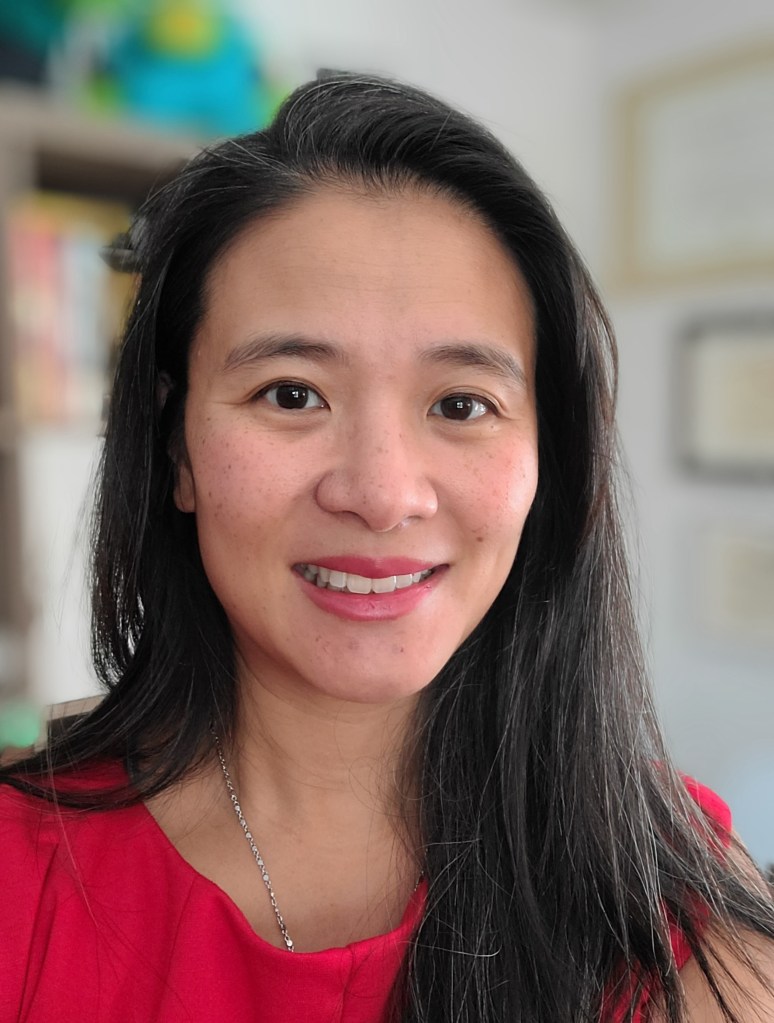
Pauline Chow is a writer, coach, and ancestral magic practitioner, crafting alternative histories and optimistic futures. She is a Pushcart Prize nominated author with words in Cosmic Monthly Horror, Space and Time Magazine, Apocalypse Confidential, and more. Not your average data scientist, she once sued slumlords and advocated for affordable housing in Southern California. Now, she lives in the woods and is planning her next trip to a historical (hopefully haunted) hotel. Connect with her on https://paulinechowstories.com/ and paulinechow.bsky.social
What do you believe are your strengths in writing? And when you feel you need to improve on a particular writing skill, how do you go about it?
My biggest assets have been my curiosity and following up that inquisitiveness with questions. These traits have taken me further in writing, life, and my professional work more than any specific technical skill. I used to think asking questions was about finding the truth, but my time as an attorney taught me that there’s always more than one perspective. As a writer, I love lingering in the unexplained shadows of a situation, a conversation, or a piece of history. Exploring what’s hidden, messy, or in-between makes a great story.
When I feel I need to grow in a particular area, feedback is my go-to tool. Both giving and receiving constructive critique are essential to improving craft. Writing is really a loop of rewriting, and having a community to support that process makes all the difference. Most recently, I’ve taken on a role as an associate editor at Haven Speculative Magazine, which provides a crucial perspective from the other side of the submission pool.
Writing is a living, shifting thing. You change, your style changes, and what you want from a story evolves from your experiences. Improvement won’t necessarily appear in chronological order.
What are your thoughts on the book industry today, or more importantly, about the book community?
I really love the book community. What amazes me most is the community of artists, writers, and creatives who are committed to authenticity and using stories to make an impact. The ability for anyone to publish today feels like both a gift and a challenge. It’s an open invitation for readers and writers alike to push boundaries, explore new voices, and expand the possibilities in storytelling.
Do you feel it is getting harder or easier to make it as an independent author these days?
As a part-time writer with a day job, I’m grateful for the many paths of publishing. I really admire the authors who’ve proven that independent publishing can be both viable and financially sustainable. Over time, it seems like disparate paths converge. A traditionally published author might choose to go indie to regain creative control, while indie authors who consistently put their work out there are will be picked up by presses or agents later on.
Publishing life seems to be easier for independent authors. Access to layouts tools, social media spaces like #bookstagram and #booktok, and marketplaces ease the requirements of marketing and publishing, especially if you’re mostly doing it mostly yourself.
In my opinion, the worst path is denying yourself the chance to share your stories. Focus on craft and building community, but don’t wait for someone else to give you permission to share your art. The two best pieces of advice to an indie author are: (1) Don’t self-reject and (2) Don’t trunk your hard work.
Tell us about your work. What story are you most proud of?
At the core, I write the stories I don’t want to lose. I began drafting them in the margins of my life. In early mornings, late nights, or quiet moments in the car, I write with rawness and emotional honesty. My first story published online, Office Friends in Chamber Magazine, was about a corporate meeting, flatulence, and sacrifice. I wanted to capture the vibes inside a certain large technology company, and based on feedback from ex-colleagues, it does!
Writing, for me, is a form of alchemy.
One story that embodies this idea of transformation is Chasing Moonflowers, a gothic historical fantasy that reimagines the occult, vampires, and nursery rhymes through a darker, colonial lens. Set in 1925 colonial Hong Kong, it weaves together cosmic horror, the mythos of the ancient ones, and local Chinese lore. It’s a twist on the coming-of-age arc into more of a coming-into-power story. The protagonist gains strength through forbidden knowledge. That moment of transformation is reclaiming power and is the force that keeps me writing.
Chasing Moonflowers, my debut novel, comes out in July 1, 2025.
What are your upcoming works and plans for the future?
I’ve got a bunch of exciting projects in the works!
A follow-up to Chasing Moonflowers, book two in the series is in progress. I will continue to play with gothic elements, folklore, and the idea of reclaiming power through forbidden knowledge. Book two will feature more romantic elements and the glitzy side of vampires and period pieces.
I’m especially thrilled about publishing an anthology called Coven of the East: Reclaiming Women’s Magical Histories. I’m co-publishing the anthology with Bram Stoker Award winning editor and author Angela Yuriko Smith. The anthology is slated for release in September 2025. I’m so excited about the incredible stories we’ve received from both invited contributors and open submissions. I can’t wait to share it with readers.
 KANDISHA PRESS
Leave a comment